Quick Answer: Developing your own supplement formula involves a structured 7-step process: defining your health goal, selecting a dosage form, sourcing quality ingredients, collaborating with an R&D team, proofing the product, partnering with a certified OEM/ODM manufacturer, and passing quality inspection before delivery.
With the right manufacturing partner and a clear market strategy, entrepreneurs and brands can bring a safe, effective, and market-ready supplement to life, without needing a laboratory of their own.
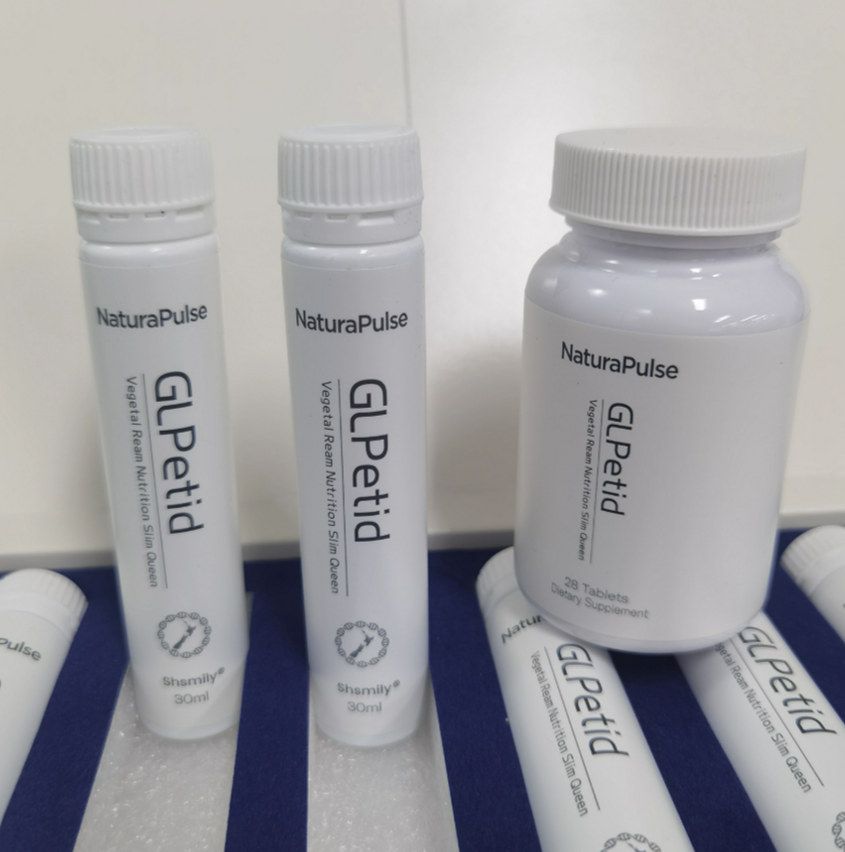
What is a Supplement Formula?
Direct Answer: A supplement formula is a precise combination of active ingredients, excipients, and delivery agents engineered to produce a targeted health outcome — such as weight management, immune support, or skin enhancement.
A supplement formula is not a list of vitamins. It is a scientifically formulated formula that dictates which ingredients are used and at what doses, ratios, and in what form of delivery. Two major types of formulas are proprietary blends, where the precise amounts of ingredients are not shown, and transparent formulas, where all ingredients and dosages are publicly available.
Informed consumers are showing a growing preference for transparency in the contemporary market. Outside active ingredients, formulas contain excipients, such as binding agents, fillers, coatings, and flow agents, which dictate how the product is produced and how it will act in the body.
Step 1: Define Your Health Goal and Target Market
Direct Answer: The most successful supplement formulas are built around a specific, well-researched health goal and a clearly defined consumer audience — not the other way around.
The business case should be strong before a single ingredient is selected. A weight management supplement has a totally different consumer than a collagen beauty beverage. This clarity at the front end influences all downstream choices: dosage form, ingredient profile, packaging, pricing, and marketing.
How Market Research Shapes Your Formula
Through market research, you can know what your target consumer wants, what they are already purchasing, what they think is lacking, and their purchasing capacity. Competitor label analysis, clinical study summary reading, and survey of potential purchasers will reveal trends in ingredients, desired delivery methods, and expectations of claims. The formula that has not been developed with this intelligence will be in danger of being a duplicate in a crowded market.
Popular Supplement Categories in 2026
Based on the industry analysis, the weight management, collagen and oral beauty, gut health and probiotics, sleep support, and sports recovery are the most rapidly expanding supplement areas in 2026. All of these categories have specific formulation norms, regulatory issues, and consumer expectations that should be incorporated into the design of the formula.
Step 2: Choose Your Dosage Form
Direct Answer: The dosage form is one of the most consequential decisions in supplement formula development — it determines ingredient compatibility, consumer experience, production cost, and shelf stability.
No universally best dosage form. The correct decision is based on the active ingredients, target demographic, intended use occasion, and brand positioning. A sports recovery brand would do well with a powdered drink; an omega-3 formula would do well with a softgel; a children's multivitamin would do well with a gummy; a millennial wellness product would do well with a softgel.
Comparing Dosage Forms for Supplement Formulas
|
Dosage Form
|
Best For
|
Key Advantage
|
Key Limitation
|
|
Capsule
|
Herbal extracts, probiotics
|
High bioavailability, easy to swallow
|
Lower consumer appeal vs. gummies
|
|
Tablet
|
High-dose vitamins, minerals
|
Cost-effective, long shelf life
|
Slower dissolution rate
|
|
Softgel
|
Oils, fat-soluble vitamins (A, D, E, K)
|
Excellent for lipid-based ingredients
|
Higher manufacturing cost
|
|
Gummy
|
Vitamins, collagen, beauty blends
|
High consumer appeal, great taste
|
Heat-sensitive, sugar content
|
|
Powder
|
Protein, electrolytes, collagen
|
Flexible dosing, customizable flavor
|
Mixing convenience required
|
|
Beverage
|
Functional drinks, beauty blends
|
Ready-to-consume, lifestyle branding
|
Short shelf life without preservatives
|
|
Jelly
|
Kids' wellness, beauty supplements
|
Unique format, premium positioning
|
Specialized production equipment
|
Step 3: Select and Screen Raw Ingredients
Direct Answer: Raw ingredient quality is the single greatest determinant of your supplement formula's safety, efficacy, and regulatory compliance — and it cannot be compromised.
The choice of ingredients has to balance clinical support, purity of the source, reliability of the supplier, and regulatory position. Ingredients that have undergone clinical research, i.e., those that have undergone peer-reviewed human trials at established dosages, are infinitely more credible among consumers and regulators than fad ingredients.
All ingredients should also be within legal requirements of the target market, be it the FDA DSHEA system in the US, EFSA in Europe, or the GB standards in China.
Key Criteria for Raw Material Quality
In screening raw ingredients, consider: purity (most standardized extracts are at least 98%), no heavy metals and microbial contaminants, country of origin, certificate of analysis (COA) by a third-party laboratory, and GMP certification by the supplier.
The standard is ingredients that are obtained in certified, pollution-free environments. The standards of the industry stipulate that all raw materials must be traceable to their sources and confirmed by independent tests prior to production.
Red Flags to Avoid When Sourcing Ingredients
Do not accept suppliers who cannot offer a valid COA, ingredients whose prices are far beneath market rates (an almost sure sign of adulteration or dilution), proprietary blends of which the suppliers themselves are unaware, and any ingredient whose health claim is unproven in your target regulatory market. The quickest path to product failure, recalls, or legal liability is cutting corners at the ingredient sourcing stage.
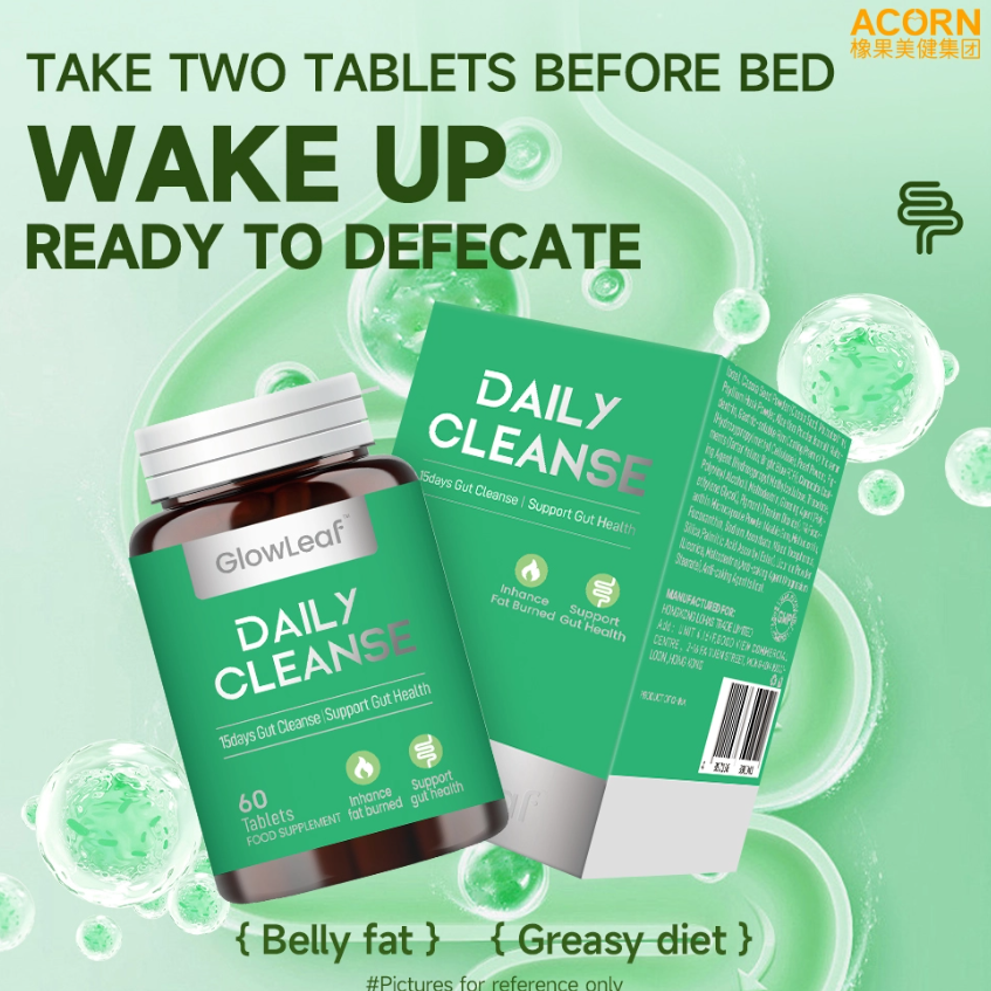
Step 4: Work With an R&D Team on Recipe Planning
Direct Answer: Professional R&D expertise is non-negotiable in supplement formula development — it ensures ingredient interactions are understood, dosages are therapeutic and safe, and the final formula meets both efficacy goals and regulatory requirements.
A skilled research and development team does not merely put ingredients together. They consider synergistic combinations, two or more ingredients that complement one another, and antagonistic combinations, which might decrease the effect or risk of adverse reactions. The accuracy of dosage has to be checked with clinical literature: too low and the formula will not work; too high and it will be a liability.
Here, collaboration with a manufacturer that invests in science will be rewarded. With 50+ in-house R&D, Acorn Pharma formulates ingredient formulas of triple standard of safety, scientific validity, and commercial rationality - a combination that makes the product manufacturable on scale, sellable with confidence, and defensible in regulatory review.
Step 5: Product Proofing and Testing
Direct Answer: Product proofing is the validation stage where a finished prototype is evaluated for appearance, taste, stability, and efficacy before mass production is approved — and it is where most formula weaknesses are caught and corrected.
Proofing is a multi-stage test: sensory test (taste, texture, color, odor), stability test (how the product behaves at different temperatures and humidity levels over time), dissolution test (how rapidly and completely the active ingredients are released), and, in some instances, bioavailability test.
Any prototype that does not meet any of these criteria is reworked -not accepted. The third-party lab certification at this point is an additional layer of credibility and is becoming a requirement for large retail buyers.
Step 6: Partner With a Certified OEM/ODM Manufacturer
Direct Answer: Choosing a certified OEM or ODM manufacturer is the most strategically important partnership decision a supplement brand will make — it determines production quality, scalability, regulatory compliance, and ultimately, brand reputation.
OEM (Original Equipment Manufacturer) implies that you give the formula, and it is made by the manufacturer under your brand. ODM (Original Design Manufacturer) implies that the manufacturer designs the formula and the product, and you brand and sell it. OEM fits with existing formula brands; ODM can be applied by an entrepreneur who lacks a research and development department.
To assess a manufacturer, it is important to look at: GMP certification, production line capacity and number, range of dosage forms, minimum order quantities, quality inspection procedures, and turnaround times.
Acorn Pharma has a full-service OEM/ODM model with 5 major production lines, 30+ dosage form options, and a 7-step process that includes everything, starting with cooperation consultation and raw material screening, through to product proofing, manufacturing, quality inspection, and final goods delivery - a truly end-to-end solution to new and scaling supplement brands.
Step 7: Quality Inspection and Goods Delivery
Direct Answer: Rigorous quality inspection before shipment is the final checkpoint that protects your brand from defective products, consumer harm, and regulatory penalties.
Professional quality inspection includes testing of finished product to pre-agreed specifications: active ingredient level, microbial contamination level, heavy metal limit, fill weight, packaging, and labeling. It is imperative that brands have written quality standards with their manufacturer prior to production rather than after.
On passing inspection, logistics can be organized, and professional manufacturers would organize compliant export documentation, batch traceability records, and delivery schedules. A good manufacturer does not see quality checking as a ritual but as the last assurance of credibility to itself.
How Much Does It Cost to Develop a Supplement Formula?
Direct Answer: The cost to develop a supplement formula varies widely based on ingredient complexity, chosen dosage form, required testing, packaging design, and minimum order quantity — but working with an experienced OEM/ODM manufacturer significantly reduces both development time and total cost.
Costs are driven by, as a general rule, by:
- Complexity of ingredients: A 3-ingredient formula is much cheaper to develop than a 12-ingredient synergistic blend.
- Dosage form: Gummies and softgels are more expensive per unit than capsules or tablets and need specialized equipment.
- Testing: Third-party stability and efficacy testing is an added cost that ensures brand value in the long run.
- Packaging: Custom, economy, and premium packaging designs and materials differ.
- MOQ (Minimum Order Quantity): Lower MOQs are often associated with higher unit costs.
The collaboration with a vertically integrated OEM/ODM company, i.e., a company that deals with R&D, sourcing of raw materials, manufacturing, testing, and logistics, will ensure that there is no need to deal with and pay various vendors individually, which will significantly decrease the overall development cost.
FAQs About Developing a Supplement Formula
What is the difference between OEM and ODM in supplement manufacturing?
OEM (Original Equipment Manufacturer) refers to the client who supplies the formula, and the manufacturer makes it per spec under the client's brand. ODM (Original Design Manufacturer) refers to the manufacturer that develops the formula and product design, which is licensed and sold by the client under their own brand.
OEM is suitable in case the brand has proprietary formulas; ODM is suitable in case the entrepreneur wishes to enter the market faster without developing their own research and development.
What is the time taken to create a supplement formula?
The average cycle of development of a complete supplement formula, including the initial consultation and mass production, is 3 to 6 months. This is the schedule of market research, formula development, screening of the raw materials, R&D recipe development, product testing, prototype acceptance, and large-scale production. ODM pathways can be used with accelerated timelines, based on pre-developed base formulas.
Do I require FDA permission to release a supplement formula?
Dietary supplements in the United States are not subject to pre-market approval by the FDA under DSHEA ( Dietary Supplement Health and Education Act ), but they must meet the FDA Good Manufacturing Practice (GMP) standards, and any claims on the label must be accurate, supported, and in compliance.
Other markets, such as the EU, China, and Australia, also have their own regulatory systems, which might demand registration of products prior to sale.
Which dosage forms would be the most suitable for a new supplement brand?
Tablets and capsules are usually the most affordable and available entry point of new supplement brands because of cheaper production and the broad range of ingredients. The most popular form is gummies, which have the quickest growth but have high production costs. The most appropriate dosage form will always be based on the ingredients used in the formula, the target consumer, and the brand positioning.
Will I be able to produce a personal-label supplement without a science education?
Yes. A partnership with an ODM manufacturer that has a professional R&D team enables entrepreneurs who may not have a science background to introduce science-based supplement products. The R&D department of the manufacturer takes care of ingredient selection, formulation, safety validation, and regulatory compliance on behalf of the company. Your job is to establish the health objective, the target market, and the brand name.
What can I do to ensure that my supplement formula is not copied?
The safeguarding of a supplement formula is a complex of both legal and operational measures: registration of the protection of trade secrets, signing Non-Disclosure Agreements (NDAs) by manufacturers prior to disclosing information about the formula, proprietary ingredient mixtures or ratios that cannot be reverse-engineered, and brand equity, which cannot be duplicated by competitors. Giving your brand name and product names a trademark gives you an extra dimension of commercial protection.
Which certifications are required of a supplement manufacturer?
A reputable supplement manufacturer must at least have GMF (Good Manufacturing Practice) certification in their targeted markets, ISO 9001 quality management certification, and the national food safety certifications.
Third-party credibility on consumer-facing brands is added by certifications like NSF, USP, or Informed Sport. Manufacturers in China are expected to have the applicable National Market Supervision Administration (NMSA) certifications in the production of health foods.
Conclusion
This guide follows a 7-step process, which includes goal definition, dosage form, raw material, R&D recipe, product proofing, OEM/ODM manufacturing partner, and quality inspection, as the industry-standard route from concept to shelf. There is no step to be skipped. Failing to validate ingredients poses a danger to the safety of consumers. Omission of product proving is a risk of failure in the market. Any neglect of quality inspection will jeopardize brand reputation.
The decision that has the most significant impact in this process is the selection of an appropriate manufacturing partner. The existence of a manufacturer with strong R&D knowledge, well-developed production facilities, and a strict quality system will de-risk the whole development process.
Acorn Pharma leverages 22+ years of health food manufacturing experience, 50+ R&D employees, 5 large production lines, and 30 or more dosage forms to each client partnership - providing a one-stop OEM/ODM service tailored to transform supplement concepts into competitive products in the global market.
If you are ready to develop your own supplement formula, the first step is a consultation with a manufacturer that understands both the science and the business. Start that conversation at acornpharmas.com.

